Thin-Wall CNC Machining: 5 Strategies for Distortion-Free Precision
In the world of high-precision manufacturing, thin-wall machining is often the Optimized test of a shop's technical prowess. As industries like aerospace, medical, and robotics push for lighter components without sacrificing strength, engineers are designing parts with walls as thin as 0.5mm or even less.
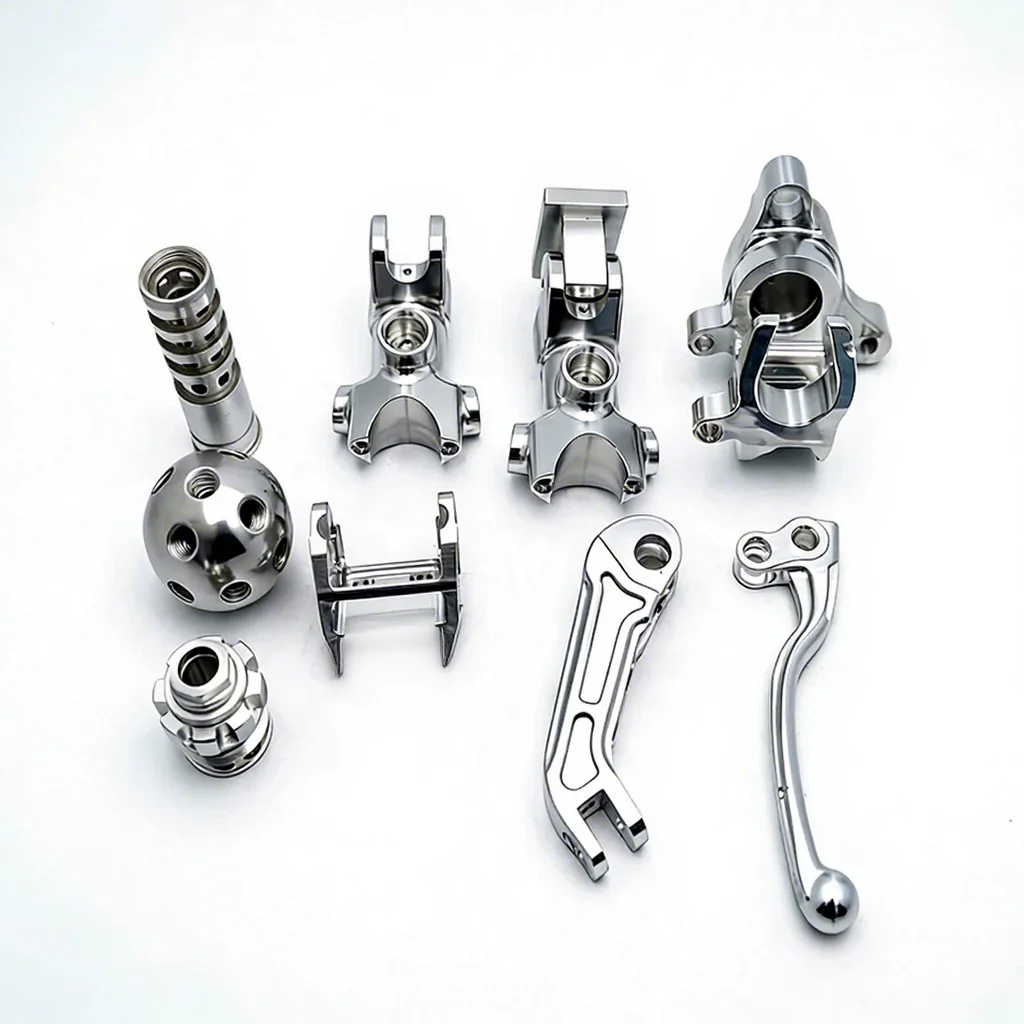
At Hasun Global, we specialize in transforming these ambitious designs into reality. However, machining thin walls without vibration, chatter, or structural distortion requires more than just a fast machine鈥攊t requires a specialized strategy.
The Challenge: Why Thin Walls Deform
The primary enemy of thin-wall machining is residual stress and cutting forces. When material is removed, the internal balance of the metal shifts. If the cutting force exceeds the structural integrity of the thin wall, the part will bend, vibrate (chatter), or lose its dimensional tolerance.
5 Strategies Used at Hasun to Ensure Precision
1. Incremental Material Removal (The "Step" Method)
Instead of machining one side to the final dimension and then moving to the other, we use an incremental approach. By alternating between sides and leaving "support" material as long as possible, we balance the residual stresses and prevent the wall from bowing.
2. High-Speed Machining (HSM) with Low Radial Depth
We utilize high spindle speeds with a small radial depth of cut (Ae). This reduces the heat transferred to the workpiece and minimizes the cutting force pushing against the thin wall. Our 5-axis machines are optimized for these high-speed paths.
3. Specialized Fixturing & Wax Support
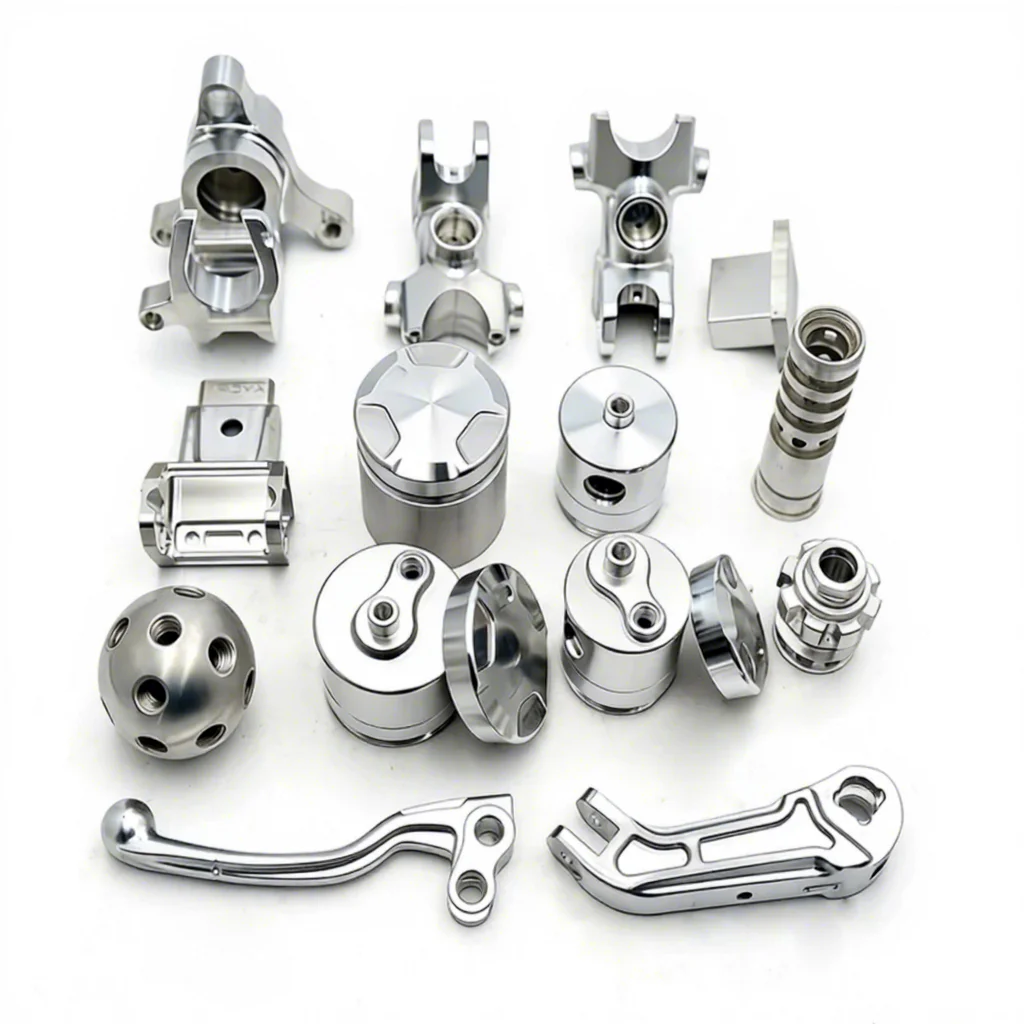
For extremely delicate parts, traditional clamping isn't enough. We design custom jigs that match the part's geometry. In some cases, we use specialized waxes to fill the cavities, providing internal rigid support during machining. This "solid-state" machining eliminates chatter entirely.
4. Down-Milling (Climb Milling) Preference
We almost always use climb milling for thin walls. This ensures that the cutting force is directed downward into the fixture rather than lifting the part away from the support, significantly improving surface finish and accuracy.
5. Stress Relieving Between Operations
For high-performance aluminum (like 7075-T6) or titanium, we may introduce a thermal stress-relief cycle between roughing and finishing. This "settles" the metal, ensuring that the final pass is made on a stable foundation.
Why Hasun for Your Thin-Wall Projects?
- Experience: We have successfully delivered thin-walled housings for humanoid robotics and aerospace sensors.
- Equipment: Our 5-axis centers provide the rigidity and speed required for complex thin-wall geometries.
- Consultative DFM: If a design is likely to fail in production, our engineers will suggest minor geometry tweaks that improve manufacturability.
Send your 3D CAD files directly to our engineers for a free DFM review and quotation.
馃摟 Email: hua@hasunglobal.com