Buyer Engineering Guide
Tight-Tolerance CNC Production: What Buyers Should Confirm
A tight tolerance is meaningful only when it is tied to function, a clear datum scheme, a suitable measurement method, and a repeatable production plan. Before asking a supplier to hold a demanding dimension across a batch, buyers should confirm how the requirement will be made and verified.
Define the requirement
- Use the drawing to identify critical dimensions, fits, geometric tolerances, and inspection datums.
- Specify the material condition and finish because coating or heat treatment may change final dimensions.
- State whether the tolerance applies before or after surface treatment and assembly.
- Avoid applying a blanket tight tolerance where normal drawing tolerances are sufficient.
Plan the production release
- Review a prototype or first article before authorizing repeat production.
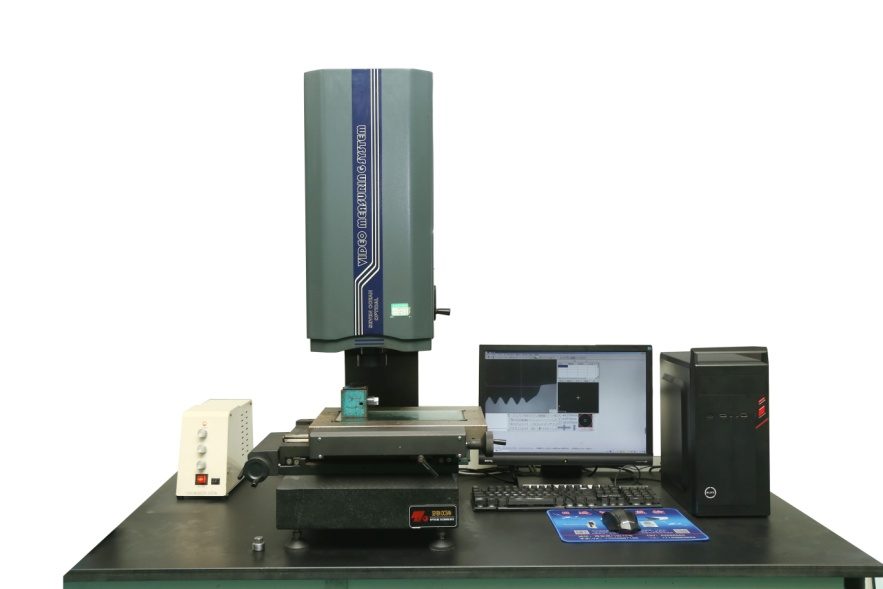
- Agree on the inspection method, sampling level, report format, and handling of nonconforming parts.
- Confirm revision control for drawings and CAD files before each production release.
- Discuss packaging for surfaces, threads, edges, and measured features that can be damaged in transit.
Compare quotations on more than unit price
- Check whether tooling, fixtures, inspection, finishing, and packaging are included.
- Ask which dimensions drive cost and whether a design change could reduce machining or inspection time.
- Confirm the quoted quantity, lead-time basis, and conditions for repeat orders.
- Request written clarification when the supplier proposes a tolerance or process change.
Buyer takeaway: Reliable tight-tolerance sourcing comes from controlled requirements and transparent verification. Send the drawing and functional context so feasibility, cost, and inspection can be reviewed together.