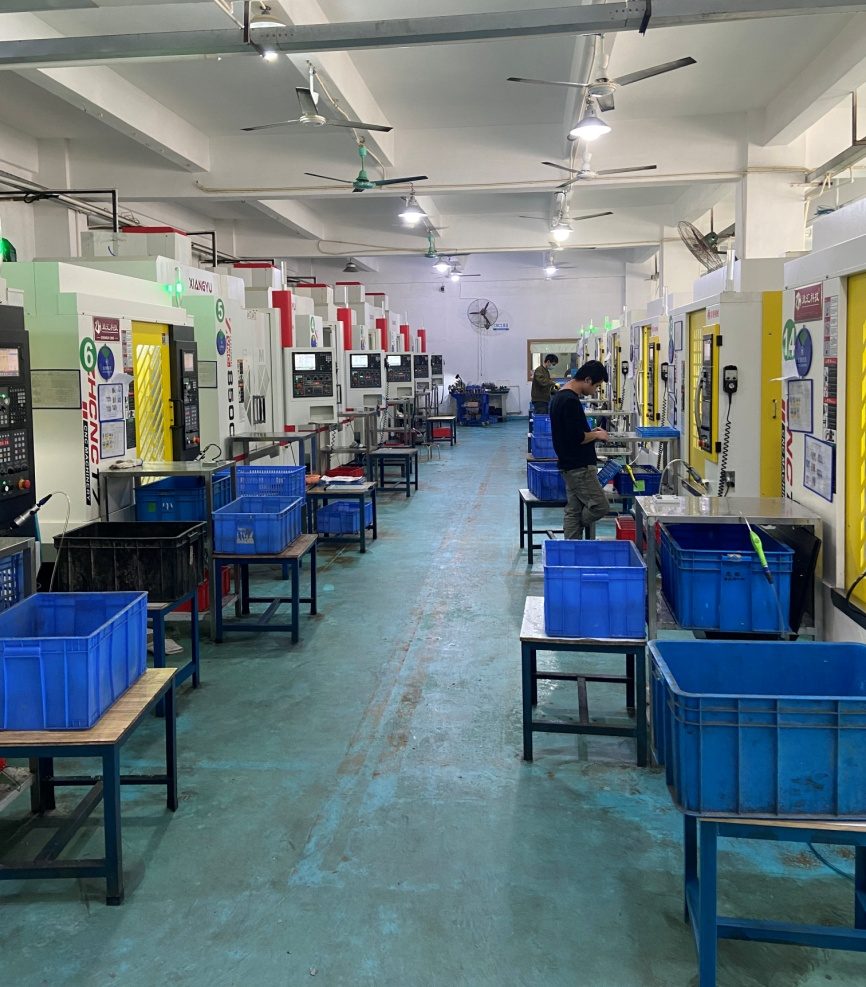
Choosing a CNC machining supplier is not a one-document decision. A legal identity check, machine list, technical response, controlled sample, inspection plan, and site review each answer a different question. None proves by itself that a supplier fits your part. A practical qualification process moves from low-cost desk checks to project-specific evidence before a larger purchase order.
Decision in brief
| Evaluate first | Who will contract and manufacture, how the supplier reads the drawing, what evidence supports inspection, and who owns open technical risks. |
|---|---|
| Do not use alone | A certificate, factory photograph, machine list, low price, or generic capability statement without a connection to the quoted part. |
1. Start with the legal and commercial identity
Confirm which legal entity will quote, invoice, receive payment, manufacture the parts, and answer a quality claim. The English brand on a website may differ from the registered company name, but the relationship should be explained before payment.
Compare the legal name with the quotation, invoice, bank details, and production address. Record the named commercial and technical contacts. A mismatch is not automatic evidence of a problem; an unexplained mismatch is a reason to pause and clarify.
2. Match the machine route to the part
A long machine list is useful only when it connects to the geometry, material, tolerance, quantity, and setup strategy of the quoted part. Ask which equipment category is expected to run the job and why it fits the main features. The public machine-equipment categories are screening evidence, not proof that every process fits every RFQ.
The answer should be specific enough to show that the model was reviewed, without requiring disclosure of proprietary programming or pricing methods. A turned part with milled flats, a slender shaft, and a large prismatic housing may require different routes and risk controls.
3. Use the first RFQ as a technical test
The first response should show whether the supplier identified the variables that control the quote: drawing revision, material grade, critical tolerances, finish, quantity, inspection scope, and features that may be difficult to machine or measure.
- Does the supplier acknowledge the files and revision used?
- Are unclear requirements separated from confirmed requirements?
- Are assumptions recorded before price and timing are treated as firm?
- Can the contact answer engineering and quality questions, not only pricing questions?
Send one controlled information package to every shortlisted supplier. If each shop receives a different revision or tolerance note, the prices do not describe the same job. For the file package itself, use the separate CNC quotation file checklist.
4. Keep manufacturing and inspection tied to one requirement
Manufacturing and QC should work from the same released drawing and revision. An inspection plan or report may explain how features will be checked, but it should not silently create a second set of nominal dimensions or tolerances.
Before the purchase order, identify which characteristics control fit, function, sealing, alignment, or appearance. Ask which method is appropriate for each critical characteristic and what record, if any, will be delivered. Hasun's public inspection capability page describes available assets; it does not promise the same inspection plan for every project.
5. Check documents as evidence with a defined scope
Certificates and reports should be checked for the legal entity, covered site, scope, issue date, expiry where applicable, and relevance to the quoted part. A document for one product or process must not be treated as a company-wide guarantee for unrelated work.
Ask for the current original file needed for your qualification process, and record what it does and does not cover. The buyer's question is not only “does a document exist?” but “does this document apply to this entity, site, process, and part?”
6. Plan the sample and audit around project risk
A sample should test the risks that matter to the intended order. Agree the drawing revision, material, finish, critical characteristics, cosmetic limits, and required inspection evidence before the sample is made. A sample is evidence about the agreed process at that point in time; it does not automatically prove future capacity, delivery performance, or repeatability at a different quantity.
Not every RFQ needs a site visit. A lower-risk part may be screened through identity checks, technical responses, document review, and a controlled sample. A higher-risk or repeat-production program may justify a remote or on-site audit focused on the proposed process, revision control, inspection resources, material handling, nonconformance control, and process ownership.
Use an evidence ladder before the first production order
| Stage | Buyer question | Evidence to request |
|---|---|---|
| Desk screening | Who will contract and manufacture? | Legal entity, production address, quotation, and payment identity. |
| Technical RFQ | Has the drawing been understood? | Revision acknowledgement, relevant questions, assumptions, and proposed route. |
| Quality planning | Can critical requirements be verified? | Agreed characteristics, inspection method, and requested records. |
| Controlled sample | Can the agreed route produce an acceptable part? | Sample tied to the released revision and acceptance criteria. |
| Program audit | Can controls support the program risk? | Scoped process, quality, and responsibility review. |
Red flags that require clarification
- The legal name on the quotation, invoice, or payment account cannot be reconciled.
- The supplier quotes without acknowledging the drawing revision or major missing requirements.
- Machine or inspection claims cannot be connected to the proposed part.
- A product-specific document is presented as a sitewide guarantee.
- Sample acceptance criteria are left until after the sample is made.
- Price and delivery are presented as firm while material, finish, quantity, or inspection scope remains undefined.
One warning does not automatically disqualify a supplier. The test is whether the issue can be explained, documented, and resolved before the risk moves into production.
Compare quotations only after the evidence is clear
Once the same drawing, revision, quantity, material, finish, inspection, packaging, and delivery basis are clear, compare the offers. The supplier comparison guide covers quote normalization; the CNC machining cost factors guide covers cost items that can change the total. Those pages answer quote comparison and cost questions; this page answers how to qualify the supplier before that comparison.
What to send for an evidence-based review
If you have a mature CAD model and released drawing, send the current revision with material, quantity, finish, critical characteristics, and required inspection evidence. Any certificate, process, inspection, or delivery requirement should be stated in the RFQ and confirmed for that project.
Ready for a drawing review?
Share the released drawing or CAD file, material, quantity, tolerance, finish, and inspection requirements for a project-specific review before comparing quotations.
Upload Drawings for RFQ Review