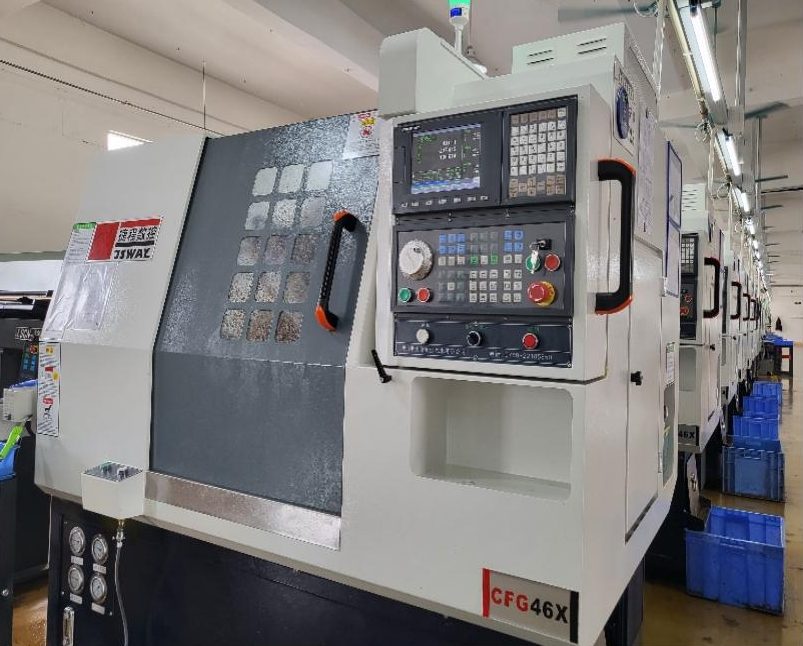
When Is Turn-Mill Machining a Good Fit?
- Round parts with milled details, side holes, grooves, or flats.
- Parts where turned datums and milled features must maintain a defined relationship.
- Components that may benefit from reduced transfer between separate turning and milling operations.
What Should Buyers Identify on a Turn-Mill Drawing?
Identify the turned datums, milled features, cross holes, threads, and any features that should remain in one setup. Mark whether concentricity, runout, perpendicularity, side-hole position, or another relationship is critical so the process and inspection plan can be reviewed against the drawing.
What Information Helps a Turn-Mill RFQ?
Part Definition
Share the 3D model and 2D drawing, including threads, fits, datums, tolerances, and inspection references.
Production Requirements
Include material, surface finish, quantity, application details, and the features or relationships that are most critical to function.