Geometry
Shafts, sleeves, bushings, spacers, fittings, knobs, and threaded hardware can combine external and internal turned features.
Turned parts depend on clear diameter relationships, shoulders, threads, bores, grooves, runout requirements, and surface finish. For parts that also need flats, holes, or milled features, the quotation should identify which interfaces are functionally critical.
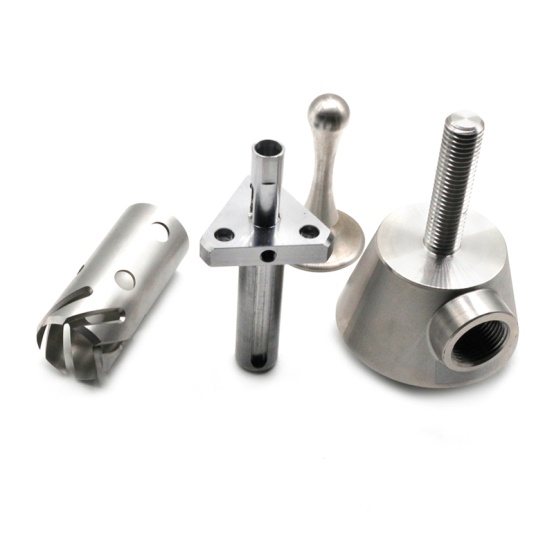
Shafts, sleeves, bushings, spacers, fittings, knobs, and threaded hardware can combine external and internal turned features.
Thread standard, fits, concentric features, edge breaks, and inspection datums should be visible on the 2D drawing.
Material form, part length, diameter range, secondary features, quantity, and finish all influence the process route.
| Part definition | 3D model, controlled 2D drawing, revision, material grade, surface finish, and quantity. |
|---|---|
| Critical requirements | Datums, tolerances, threads, mating faces, cosmetic surfaces, and inspection expectations. |
| Commercial context | Prototype or batch stage, delivery destination, packaging, assembly use, and preferred contact method. |
The drawing carries thread, fit, surface, and inspection notes that a model alone may not communicate.
Yes, depending on geometry. Flats, cross holes, slots, and wrench features should be included in the files for review.
Share CAD files, material, finish, quantity, and inspection requirements. Hasun will review the project details before quotation.