Use this page as a simple purchasing checklist before sending drawings for quotation. The goal is to reduce unclear requirements and make supplier comparison easier.
Key Points
- Define what must be measured and what can be visually checked.
- Inspection requirements should match the function of the part and the risk of assembly failure.
- Clear acceptance standards help avoid disputes after delivery.
Why buyers check this before ordering
Custom metal parts are usually not quoted correctly from a product name alone. The supplier needs to understand the drawing, tolerance level, material grade, finish, quantity, and the part's real application. When these details are clear, quotation is faster and production risk is lower.
For early projects, the best approach is to send enough information for an engineering review, then let the supplier confirm manufacturing questions before price discussion. This protects both sides from hidden cost, wrong finish, missing dimensions, or packing issues.
Buyer Decision Snapshot
| Inspection scope | Measure the characteristics that control function and assembly; define visual checks separately from dimensional checks. |
|---|---|
| Evidence to request | Clarified drawing questions, material and finish confirmation, sample approval approach, and inspection records appropriate to the part. |
Fast RFQ Checklist
| Technical files | CAD model, 2D drawing, photos, sample references, or assembly images. |
|---|---|
| Part requirements | Material, tolerance, surface finish, quantity, application, and inspection expectations. |
| Buyer notes | Target market, packaging, shipment timing, and any product development or assembly needs. |
| Supplier questions | Ask how the supplier reviews drawings, confirms critical dimensions, controls finish, and handles sample approval before batch production. |
Common mistakes to avoid
- Sending only a photo when the part requires tight dimensions or assembly fit.
- Using tight tolerances on every dimension instead of only critical areas.
- Leaving surface finish, masking, thread protection, or packaging requirements until after quotation.
Define the inspection scope before CNC quotation
For a drawing-based CNC or sheet-metal RFQ, define the inspection scope with the same released drawing package used for quotation. Identify the revision, the features that affect fit or function, the condition in which they must be accepted, and the records or open questions that apply. This lets suppliers price the same inspection work instead of making different assumptions from a general request for an inspection report.
Build a short inspection scope brief
| Governing files | Send the matching 2D drawing, 3D model where used, and the current revision or release status. |
|---|---|
| Functional characteristics | Mark the dimensions, datums, threads, appearance areas, sealing or assembly relationships that control the part's use. |
| Acceptance condition | State whether a requirement applies before finishing, after the final finish, or at another defined project stage. |
| Evidence requested | List the project-specific record, material or finish evidence, dimensional result, or other information required, if known. |
| Open items | Label any undecided finish, acceptance reference, sample or lot scope, or functional condition as an open quotation question. |
Keep the request proportionate to the part
Mark the characteristics that affect fit, function, sealing, alignment, appearance, or assembly. Describe visual checks separately from dimensional checks. If a requirement is tied to a finish, state the final condition being evaluated. The drawing and RFQ should make the project-specific acceptance basis clear enough for a supplier to review before quotation.
Ask for evidence without assuming a report type
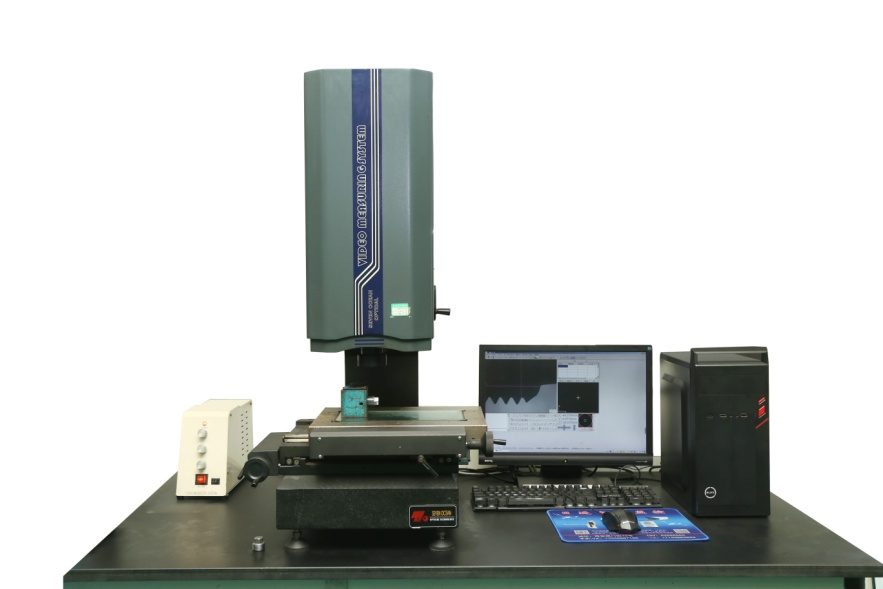
State during RFQ whether the project needs a material certificate, finish record, dimensional result, batch inspection record, or other product-specific evidence. Where the requirement is still open, label it as an open quotation question. The inspection capability page lists available measurement and test assets that can be discussed against a drawing; available equipment does not by itself define an acceptance standard or guarantee a particular report.
Connect the inspection brief to supplier comparison
Use the same controlled files and inspection brief for every supplier being compared. The CNC RFQ file checklist helps organise drawing files and revision status. For material or final-condition requirements, review materials and finishes and surface-treatment considerations. When machining requirements are defined by a drawing, the precision machining page shows the inputs to include for review.
Ready to define inspection requirements?
Send the drawing revision, material, quantity, critical features, final-condition notes, and any requested evidence. Mark open items so quotation review starts from a visible scope.
Send Drawings for ReviewFAQ
| Can Hasun quote without a 3D model? | Yes, but a 3D model plus 2D drawing is better for complex CNC parts. Photos or samples can help when the project is still early. |
|---|---|
| What makes the quotation faster? | Clear material, finish, quantity, key dimensions, application, and inspection requirements reduce back-and-forth. |
| Can this support prototype and batch orders? | Yes. RFQ details should explain whether the project is for prototype validation, pilot run, or repeat batch production. |
Need a drawing review?
Send your files and Hasun will check the manufacturability and quotation details.
Upload Drawings for RFQ